
Popular Earth Moving Equipment for Construction and Landscaping
Learn about versatile machines that support a wide range of earth moving needs for construction, landscaping, and more.
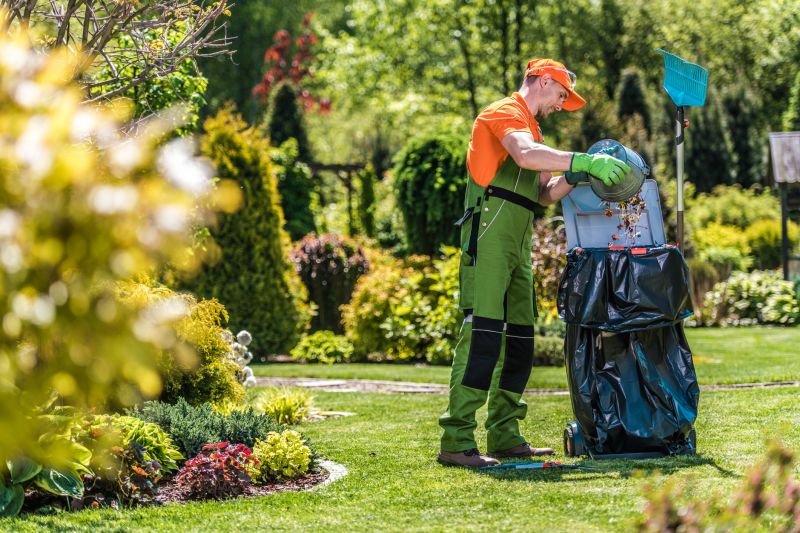 Earth moving services encompass a wide range of equipment and tools designed to facilitate construction, landscaping, excavation, and site preparation projects. These services rely on various machinery to move, lift, and manipulate soil, gravel, rocks, and other materials efficiently. The selection of the right products is crucial for ensuring safety, productivity, and precision on any earth moving site.
Top Overall Option
Multipurpose Earth Moving Machine
A versatile earth moving machine combines multiple functions such as excavation, grading, lifting, and material handling into a single piece of equipment. These machines are designed with interchangeable attachments and adjustable components, allowing operators to adapt quickly to different tasks on-site. Their adaptability makes them suitable for a wide range of projects, from small landscaping jobs to large construction sites. When selecting a multipurpose machine, considerations include power output, attachment compatibility, and ease of operation.
Types of Products For Earth Moving Service
Excavators
Heavy-duty machines used for digging, trenching, and material handling, available in various sizes for different project scopes.
Bulldozers
Powerful tracked machines ideal for pushing large quantities of soil and debris, leveling ground, and site clearing.
Backhoes
Versatile equipment combining a digging bucket on a boom and a loader on the front, suitable for excavation and loading tasks.
Skid Steer Loaders
Compact, maneuverable machines with interchangeable attachments, useful for small to medium earth moving jobs.
Dump Trucks
Vehicles designed for transporting loose materials like soil, gravel, and debris from one site to another.
Graders
Equipment used for leveling and smoothing surfaces, essential for preparing roads and large flat areas.
Compactors/Rollers
Machines that compress soil and other materials to increase stability and support for foundations.
Hydraulic Breakers
Attachments used with excavators to break up hard materials like rock and concrete.
Trenchers
Specialized equipment for digging trenches for utilities, drainage, and pipelines.
Wheel Loaders
Heavy machinery used for loading materials into trucks, stockpiling, and moving earth within a site.
Crawler Loaders
Tracked loaders suitable for rough terrains and heavy-duty lifting tasks.
Mini Excavators
Compact excavators designed for confined spaces and lighter excavation tasks.
Rock Breakers
Equipment used to fragment and remove large rocks during excavation.
Scrapers
Machines that cut, load, and transport soil in one operation, ideal for large earthmoving projects.
Pavers
Equipment used to lay asphalt or concrete surfaces, often used in road construction.
Hydroseeders
Machines for applying seed, mulch, and soil amendments on prepared ground.
Trench Boxes
Safety equipment used to protect workers during excavation in trenching operations.
Popular Choices
Compact and versatile, suitable for small-scale projects and tight spaces.
Highly maneuverable with a variety of attachments for multiple tasks.
Combining digging and loading functions, useful on many sites.
Essential for transporting excavated material efficiently.
Reliable for pushing large amounts of earth and rough grading.
Ideal for compacting soil in smaller areas or trenches.
Effective for breaking up concrete and rocks during site prep.
Used for precision surface leveling, especially in road construction.
Facilitate efficient trench digging for utilities installation.
Versatile loaders for moving and loading earth materials.
Suitable for rough terrains and heavy-duty tasks.
Perfect for projects requiring maneuverability in confined spaces.
Help in fragmenting large rocks during excavation.
Efficient for large-scale earthmoving operations involving soil removal.
Used for laying asphalt and creating smooth surfaces.
Assist in planting and soil stabilization after earthwork.
Provide safety during trench excavation.
From large-scale excavators and bulldozers to smaller hand tools, each piece of equipment serves a specific purpose and is suited to different project sizes and complexities. Heavy machinery like backhoes and skid steers are common for versatile tasks, while compact tools such as shovels and rakes are essential for detailed work and finishing touches. Proper understanding of the available options helps project managers and operators select the most appropriate tools for their needs.
Safety and durability are also key considerations when choosing earth moving products. Equipment must withstand rigorous use in demanding environments, and safety features should be prioritized to prevent accidents. Additionally, ease of maintenance and operational efficiency can impact overall project timelines and costs. Whether undertaking a small landscaping project or a large construction site, having the right tools and machinery can significantly influence the success of the work.
Investing in quality earth moving products ensures smoother workflow, reduces downtime, and enhances safety protocols. The variety of available equipment means that even specialized tasks can be approached with suitable tools, making earth moving projects more manageable and effective. Carefully selecting equipment based on project scope, terrain, and specific requirements can lead to more efficient operations and better outcomes.
Key Buying Considerations
- Project size and scope to determine the appropriate machinery capacity.
- Terrain type and ground conditions for selecting suitable equipment types.
- Ease of operation, especially if operators are less experienced.
- Attachment compatibility for multifunctional equipment.
- Durability and build quality to withstand demanding work environments.
- Safety features and certifications to ensure secure operation.
- Maintenance requirements and availability of replacement parts.
- Power source options, such as diesel, electric, or hybrid models.
- Transportability and size constraints for moving equipment between sites.
- Operator comfort and ergonomic design for prolonged use.
- Budget constraints and overall cost of ownership.
- Environmental considerations, including emissions and noise levels.
- Availability of training and technical support from suppliers.
- Compatibility with existing equipment and tools on-site.
- Warranty and service agreements for long-term reliability.
This content contains affiliate links. We may earn a commission if you purchase through these links, which helps support our work and allows us to continue providing valuable information.